

Tea Bag Processing Factory
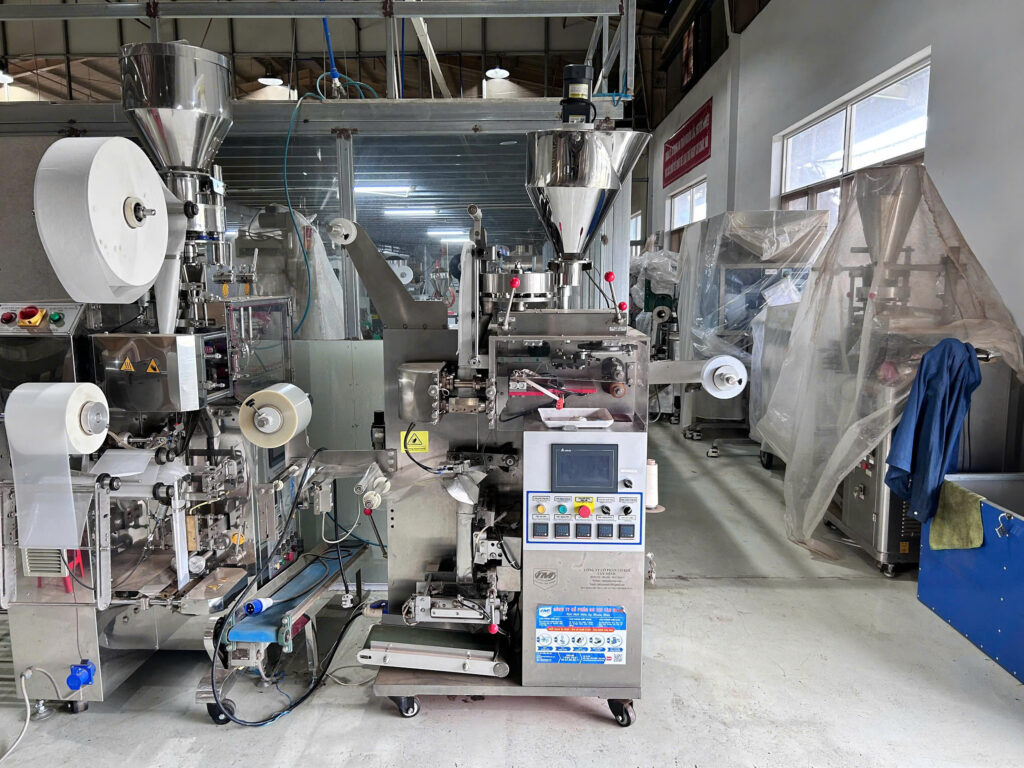
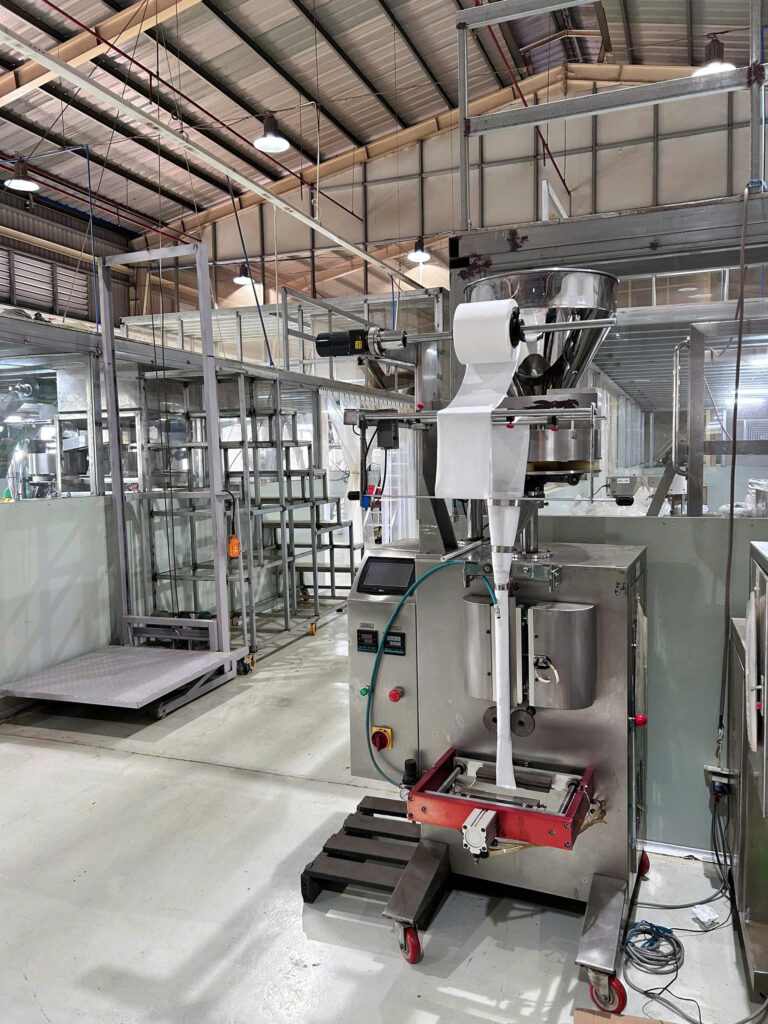
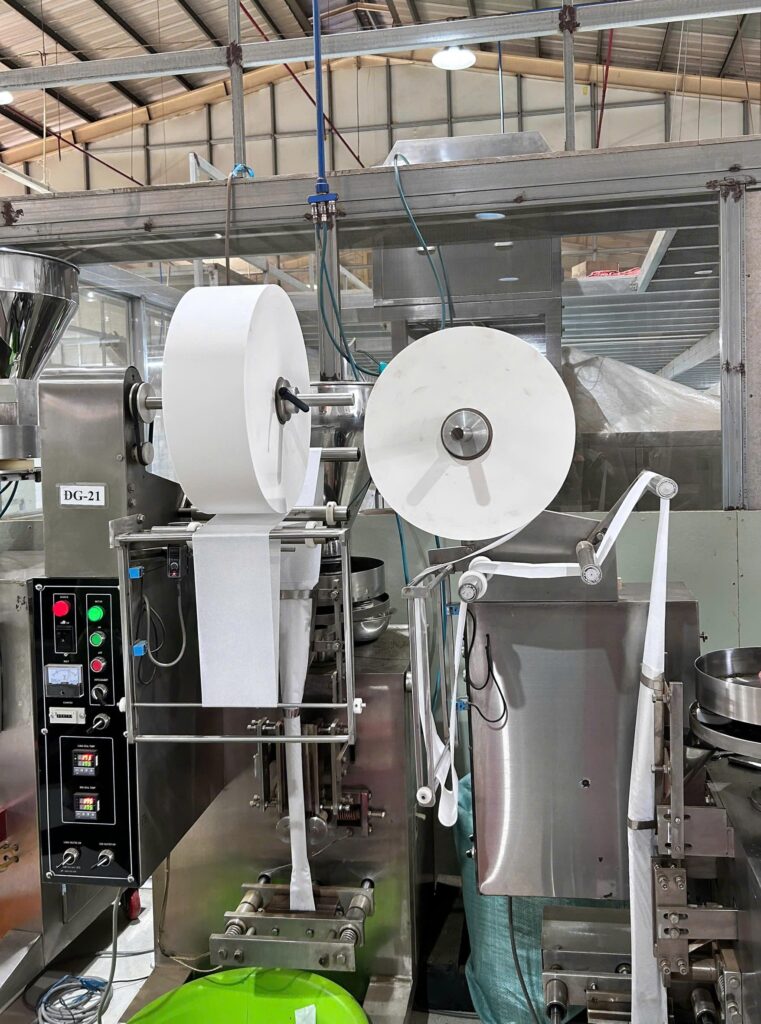
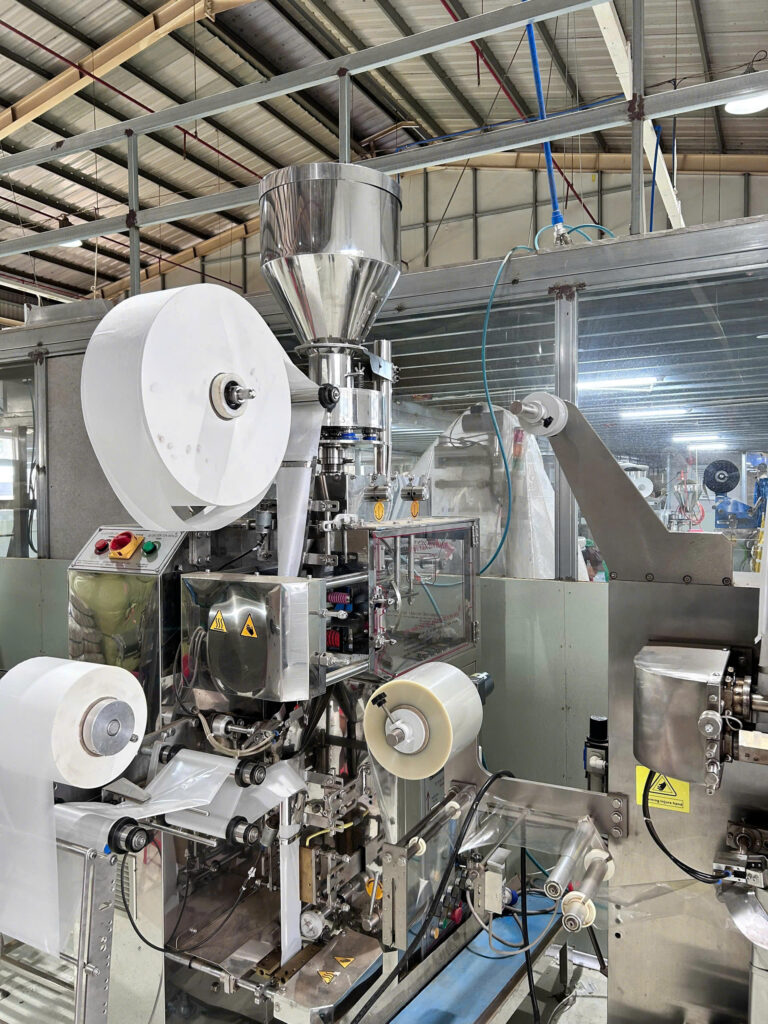
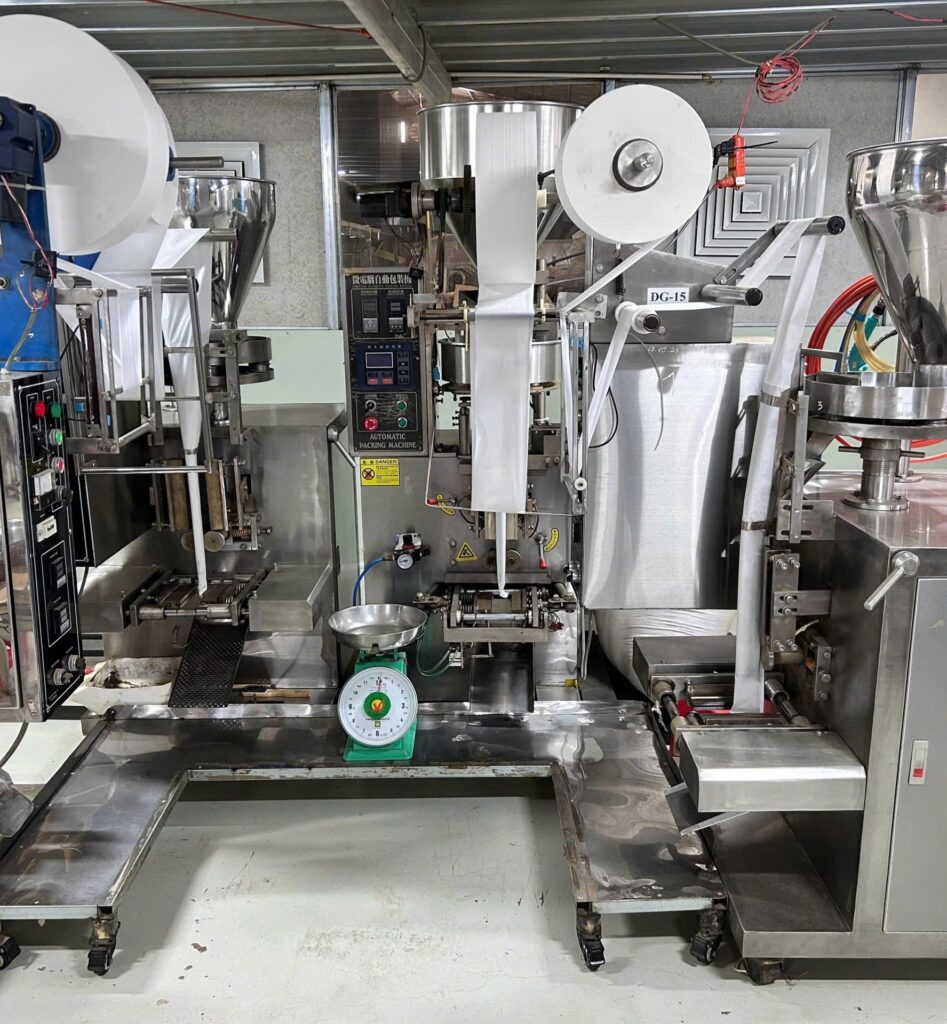
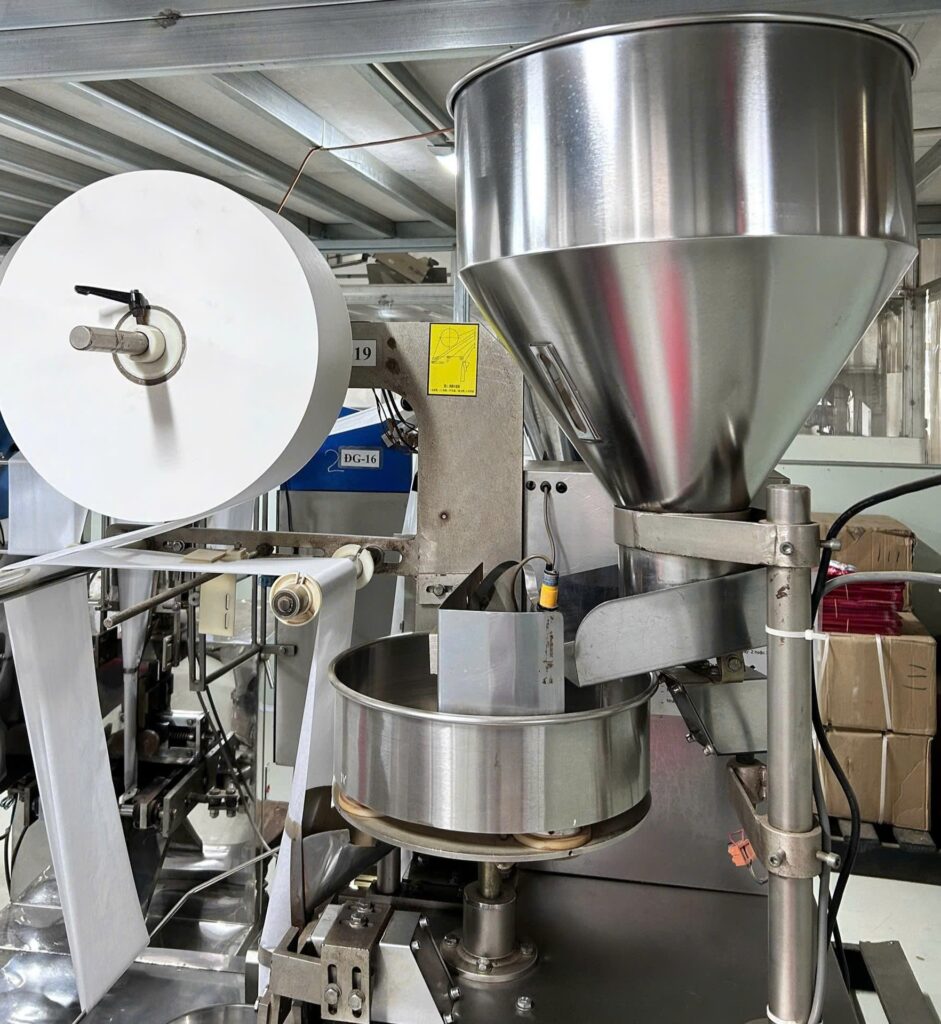
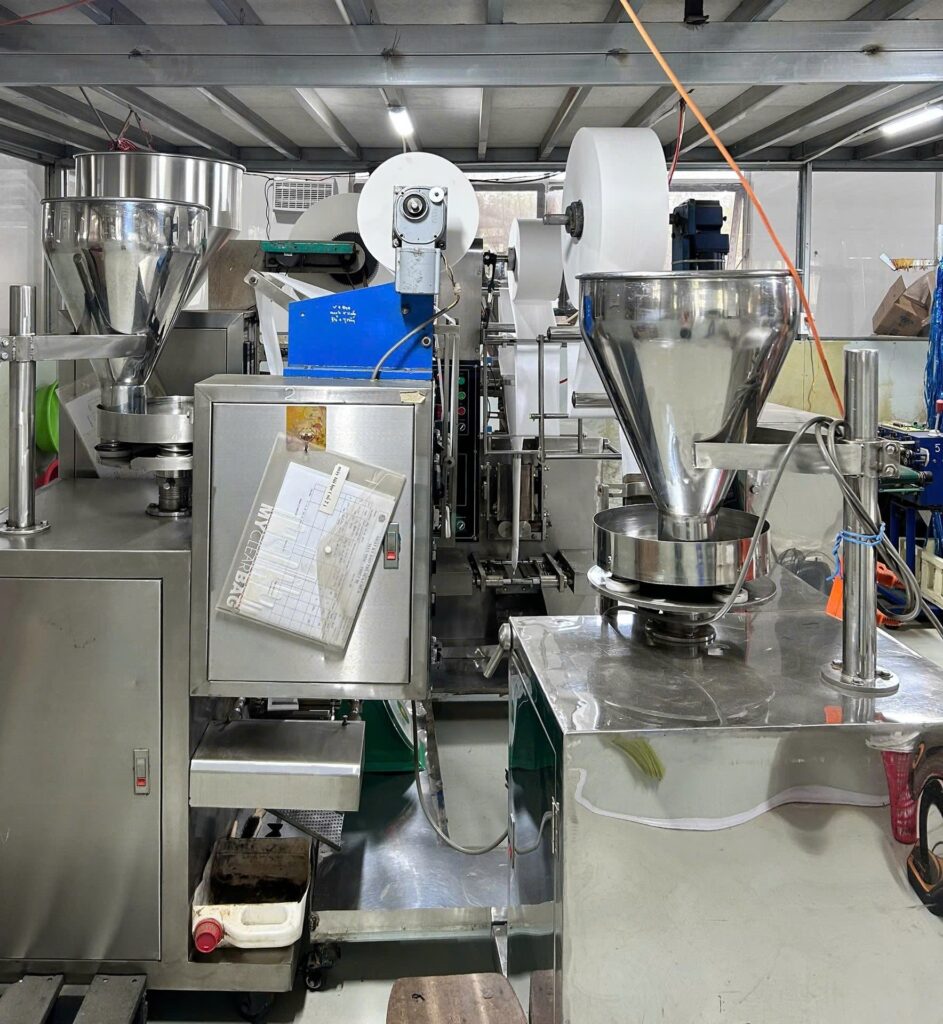
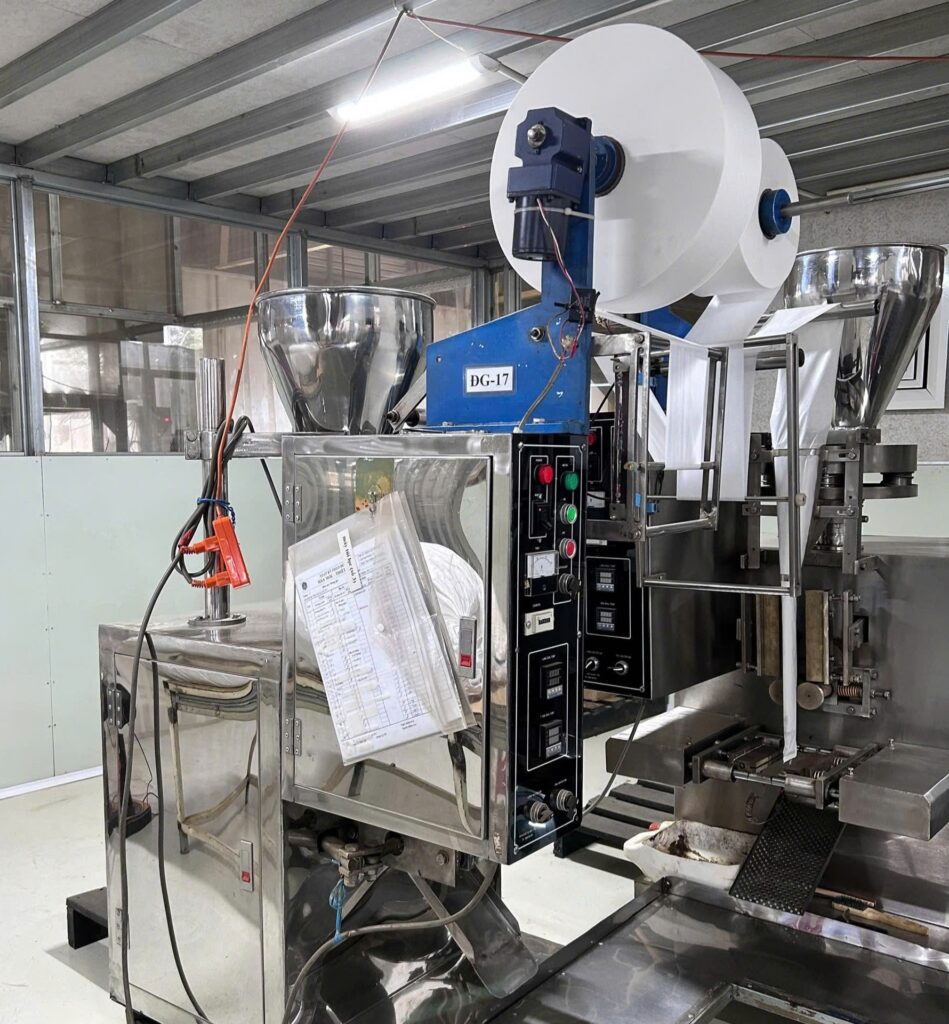
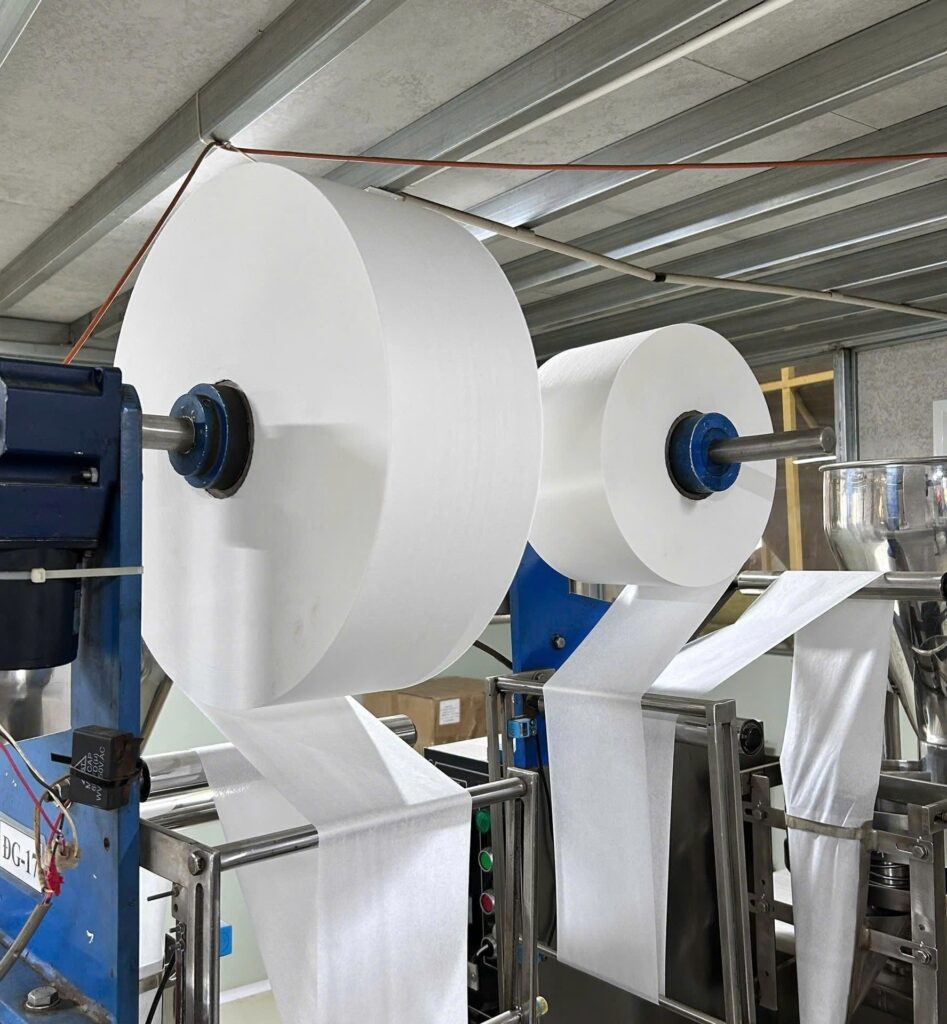
These are images of tea bag production equipped with modern machinery and facilities, ensuring product quality and food safety to deliver the most convenient and visually appealing products to consumers.
Tea Bag Production Process
Step 1: Raw Material Selection
High-quality tea leaves such as green tea, black tea, oolong, or herbal varieties are selected based on the product line. These may come from plantation-grown or wild tea trees. For flavored or herbal teas, additional ingredients like flowers, fruits, or herbs are also carefully chosen to complement the blend.
Step 2: Primary Tea Processing
Fresh leaves undergo withering to reduce moisture, followed by kill-green or oxidation control depending on tea type (e.g., pan-firing for green tea, full fermentation for black tea). The leaves are then rolled and shaped to break cell walls and develop flavor, before being dried to achieve a final moisture content of 3-5%.
Step 3: Grinding & Sieving
The dried tea is ground into small particles ideally balanced between not too coarse and not too fine to suit tea bag production. The ground tea is then sieved to ensure uniform particle size and remove any stems or impurities. Common grades used include fannings or dust, which are small broken tea pieces ideal for infusion.
Step 4: Blending (Optional)
To create specific flavor profiles, different types of tea or natural ingredients such as jasmine, lotus, artemisia, or osmanthus may be blended together before packing.
Step 5: Tea Bag Forming & Filling
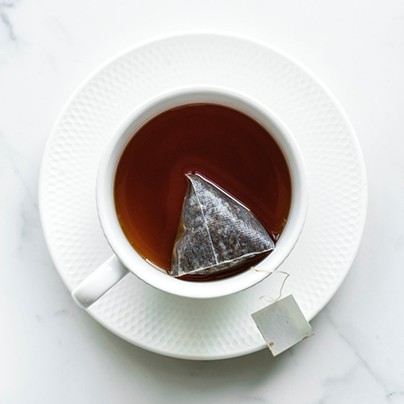
Processed tea is filled into inner tea bags using automatic packaging machines. Bag materials may include non-woven fabric, nylon mesh, or biodegradable PLA (corn fiber). Bags are typically pyramid-shaped (for better water circulation) or rectangular (for cost efficiency), and each bag usually contains 1.5g to 3g of tea.
Step 6: Sealing Inner Bags
Tea bags are sealed using heat or ultrasonic sealing methods to maintain freshness, hygiene, and prevent exposure to moisture or air.
Step 7: Tagging & Stringing
Each tea bag is fitted with a string and tag then often attached by machine for easy handling. Tags may also include branding, batch codes, or brewing instructions.
Step 8: Outer Packaging
Sealed inner tea bags are packed into individual outer sachets made from materials such as 3-side seal bags, 4-side seal bags, foil-lined paper, or vacuum packs. These sachets protect the aroma and extend the product’s shelf life.
Step 9: Boxing
Finished sachets are packed into pre-printed retail boxes, typically containing 10, 20, or 25 tea bags per box. Boxes are made from materials like paperboard, tin, or biodegradable packaging.
Step 10: Cartoning & Palletizing
Retail boxes are grouped into larger shipping cartons, which are then labeled, stacked, and shrink-wrapped onto pallets to ensure safe handling and efficient logistics during distribution.
Step 11: Optional Additional Steps
Additional procedures may include batch coding or expiry date printing, quality control checks such as microbial testing and moisture analysis, metal detection for food safety assurance, and optional flavor infusion or aroma sealing to enhance sensory appeal.