

Standard Oolong Tea Processing Factory
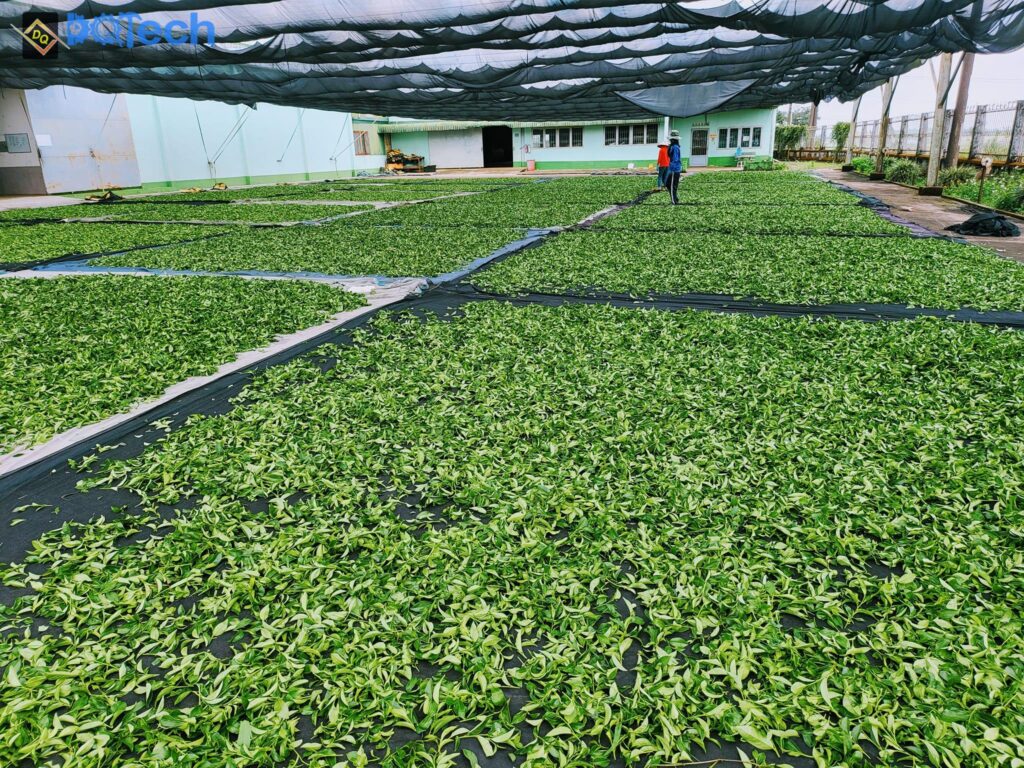
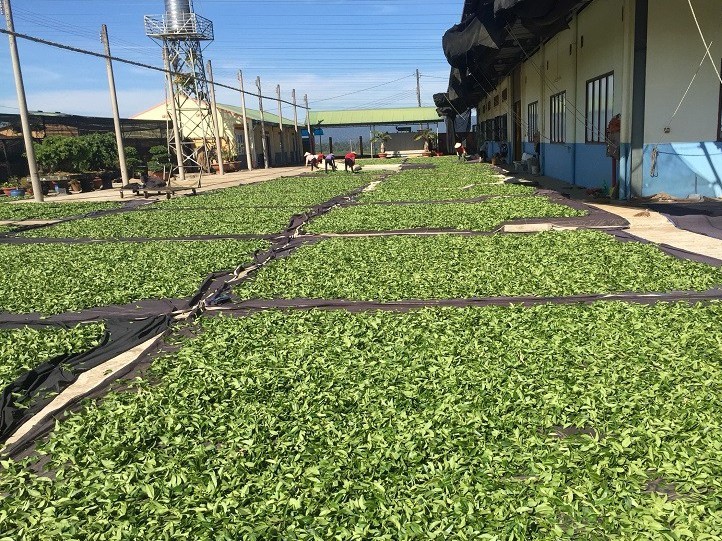
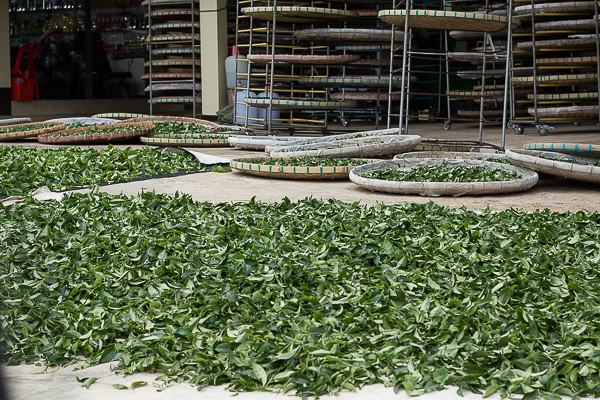
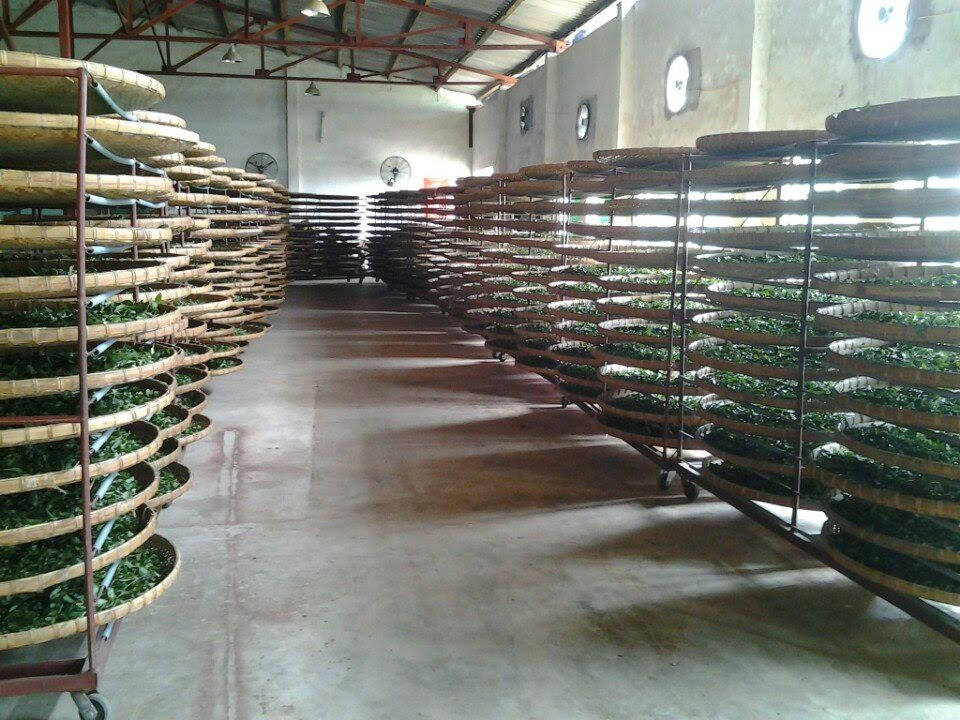
These photos are taken from our oolong tea processing factory, where traditional craftsmanship is seamlessly combined with modern technology to produce premium-quality tea. Every stage of the process is carefully managed to preserve the natural aroma, vibrant color, and distinctive taste of oolong tea, ensuring products that meet the expectations of global markets.
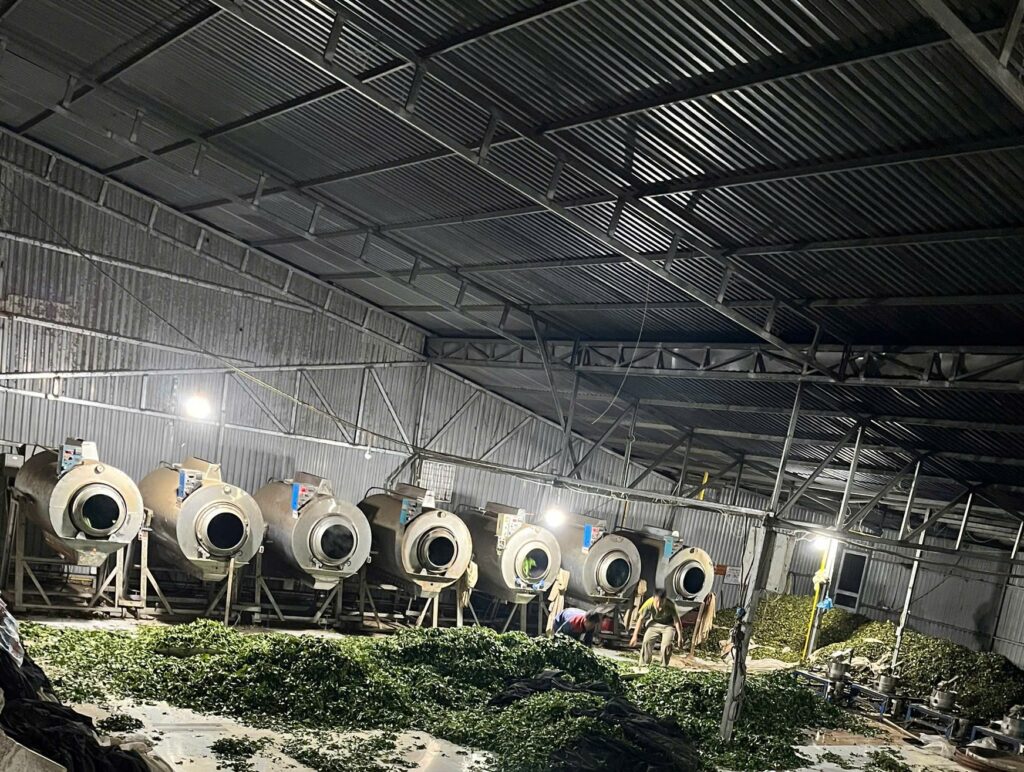
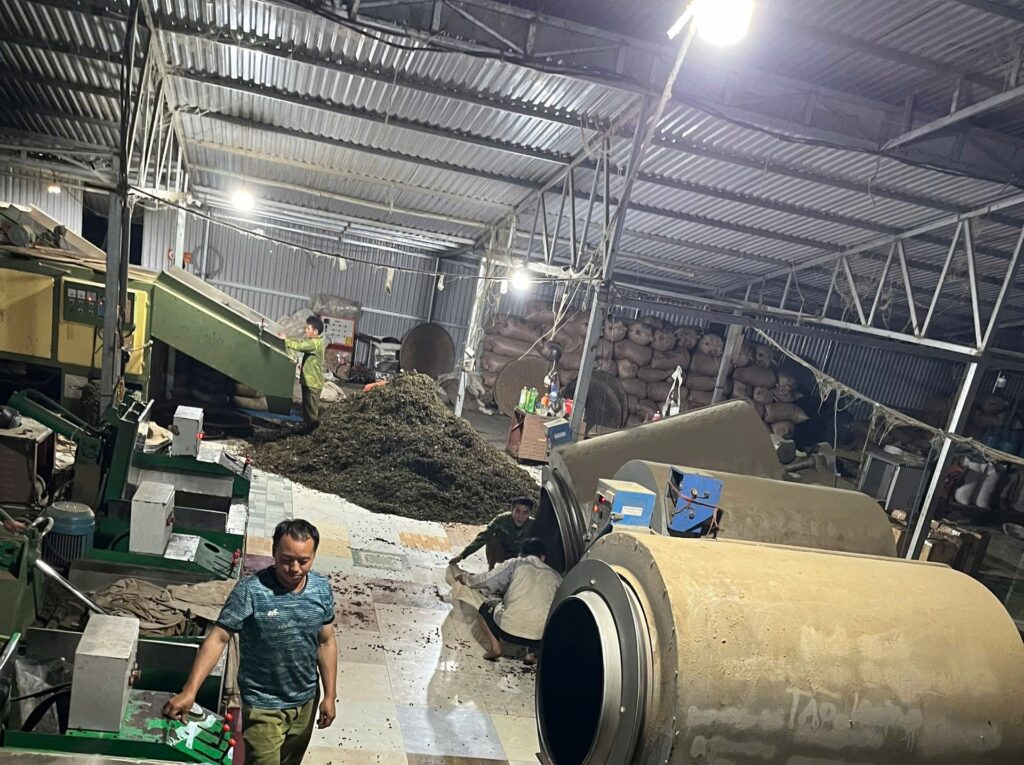
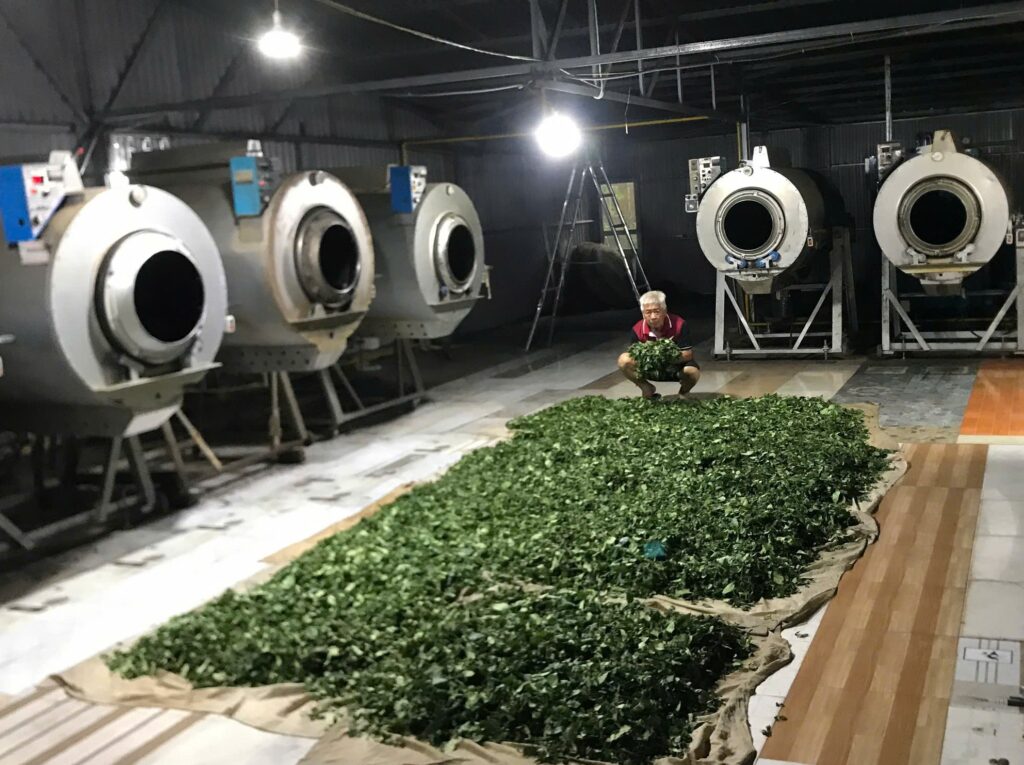
Standard Oolong Tea Production Process
Step 1: Harvesting
Fresh tea leaves and buds are carefully hand-picked or machine-harvested by skilled farmers every 45 days to ensure optimal maturity and quality.
Step 2: Sun Withering
The harvested leaves are spread out under natural sunlight to accelerate moisture evaporation and initiate the natural oxidation process.
Step 3: Cool Withering
After sun withering, the leaves are brought into a cool, shaded room and spread thinly to continue controlled moisture loss and allow enzymatic activity to progress gradually.
Step 4: Crushing
The softened leaves are gently bruised or rolled to rupture the cell walls. This causes the cell sap to coat the surface of the leaves, enhancing exposure to oxygen and promoting controlled fermentation.
Step 5: Fermentation
The bruised leaves are spread on bamboo trays or flat baskets and left to oxidize under controlled temperature and humidity until the desired oxidation level (typically 15–70%) is achieved.
Step 6: Kill-Green
Once the leaves reach the target level of oxidation, they are quickly heated (usually by pan-firing or drum roasting) to deactivate the enzymes and stop the fermentation process.
Step 7: Rolling
The leaves are then mechanically rolled or rubbed to further shape them, enhance aroma, and evenly distribute the remaining moisture and sap throughout the leaf structure.
Step 8: Light Drying
A gentle drying step is performed to reduce surface moisture and inactivate residual enzymes, helping to stabilize the tea.
Step 9: Shaping
The tea is then shaped (usually into tight semi-ball or curly shapes) using specialized rolling or forming machines, which give oolong tea its distinctive appearance.
Step 10: Final Drying
The shaped leaves are dried at a controlled temperature to bring the final moisture content down to around 3–5%, ensuring shelf stability and preserving aroma.
Step 11: Sorting & Packing
Finally, the dried tea leaves are sorted by grade and size, then packed into aluminum foil bags and vacuum sealed for export.