

CTC Black Tea Processing Factory
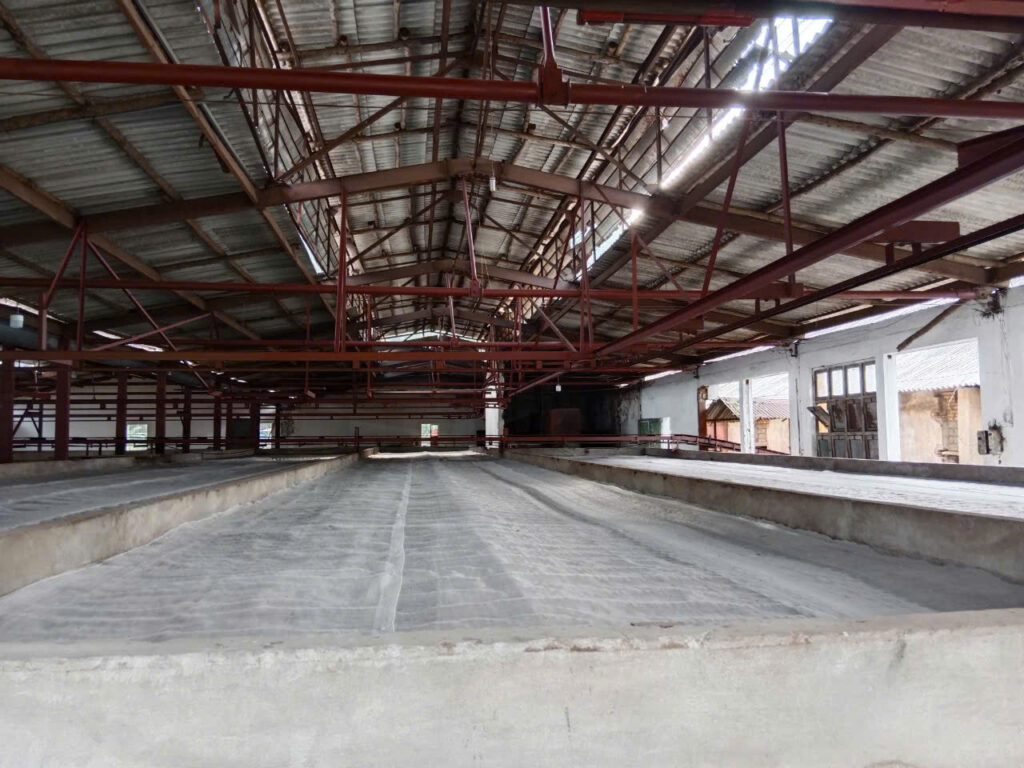
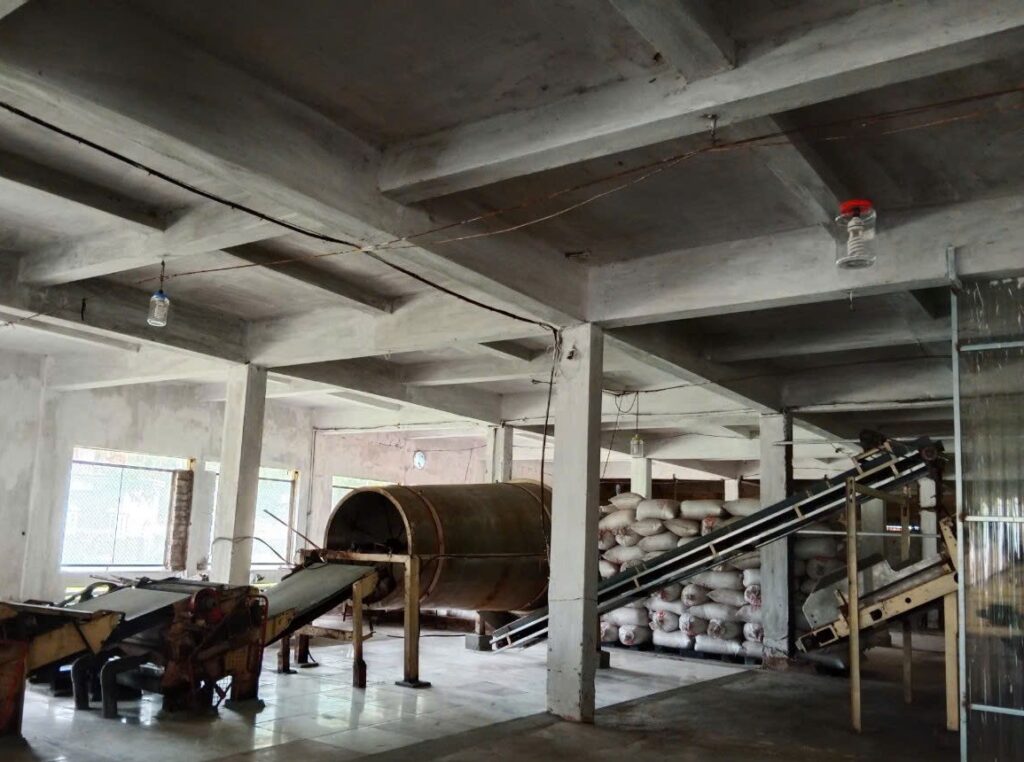
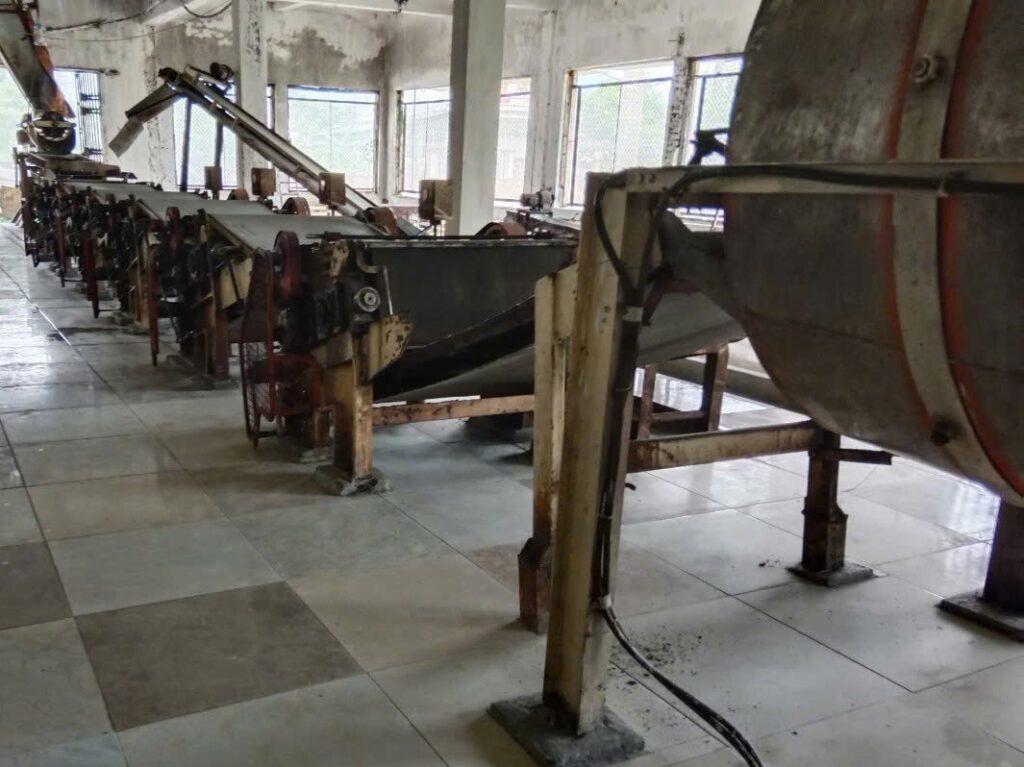
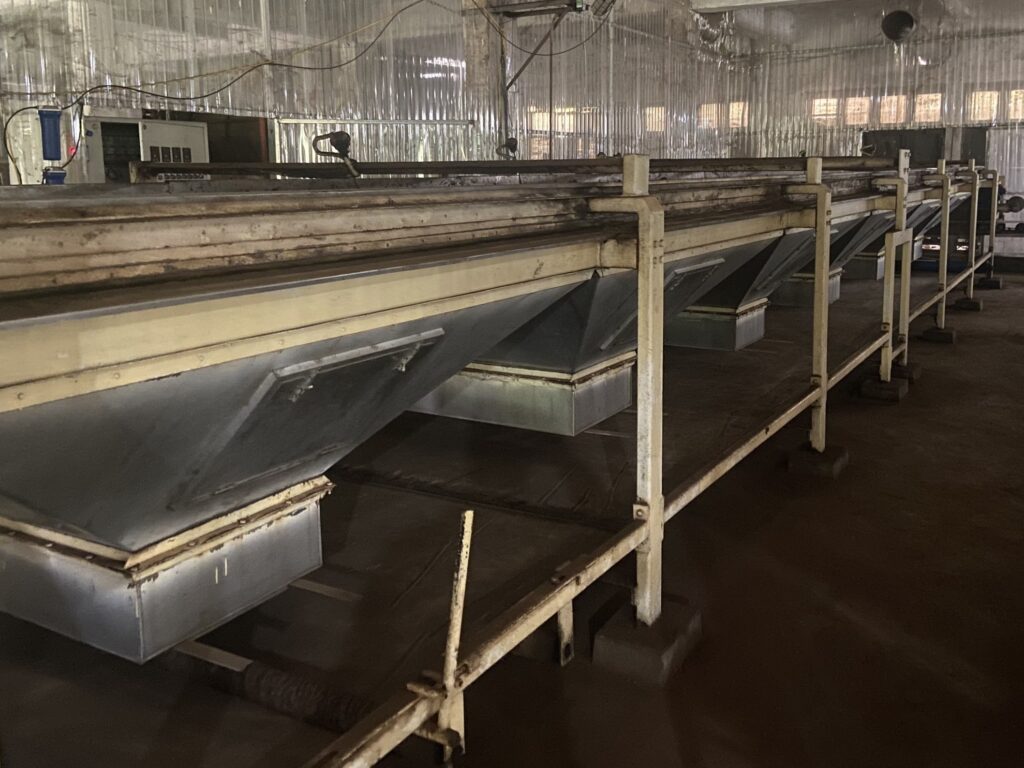
These photos illustrate the production process in our modern tea processing factory, where fresh tea leaves are carefully transformed into premium CTC tea. With advanced machinery, strict quality control, and adherence to international food safety standards, we ensure consistent quality, rich flavor, and excellent appearance. Our CTC tea is produced specifically for the export market, meeting the diverse demands of global customers.



CTC Black Tea Production Process
Step 1: Harvesting
Fresh tea leaves and buds are carefully plucked or cut by skilled and experienced farmers in the early morning to ensure optimal freshness. The harvested leaves are then quickly transported to the processing factory to minimize oxidation.
Step 2: Withering
The fresh leaves are spread out evenly on troughs or racks in a controlled environment to reduce their moisture content. This process makes the leaves soft and pliable, preparing them for the next stage of processing.
Step 3: CTC Processing
The withered leaves are passed through CTC machines which sequentially crush, tear, and curl the leaves into small, uniform granules. This mechanical process ruptures the cell walls, allowing better oxidation and resulting in the strong color, rich flavor, and typical briskness.
Step 4: Fermenting
The curled leaves are spread out in a temperature- and humidity-controlled room to undergo oxidation. During this stage, the leaf color changes from green to coppery brown, and the characteristic aroma and flavor of black tea are developed.
Step 5: Drying
The oxidized leaves are dried using hot air dryers to stop further enzymatic activity. This stabilizes the tea, locks in the flavor and aroma, and reduces moisture content to around 2–3% for long-term storage.
Step 6: Sorting & Grading
The dried tea is passed through mechanical sifters to separate the product into various grades based on particle size such as BOP, BP, PF, and PD depending on market requirements.
Step 7: Packaging
Finally, the graded tea is carefully packed in moisture-proof packaging, such as multi-layer paper sacks or vacuum-sealed bags, to preserve quality during storage and export.