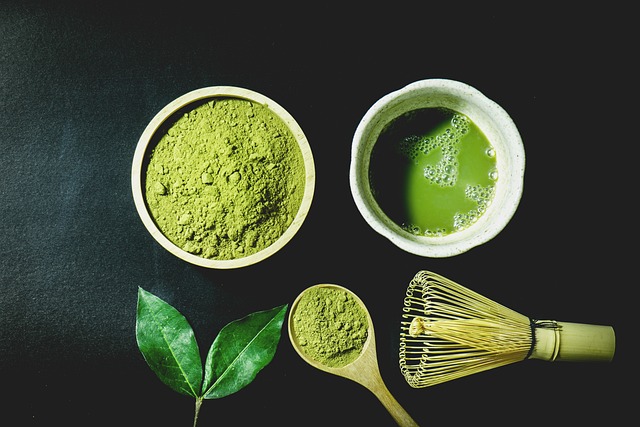


Tencha & Matcha Processing Factory
Below are photos of the Tencha and Matcha production factory, where we produce exceptional-quality products with a distinctive aroma and a delicate, refined flavor to meet the diverse preferences of consumers.
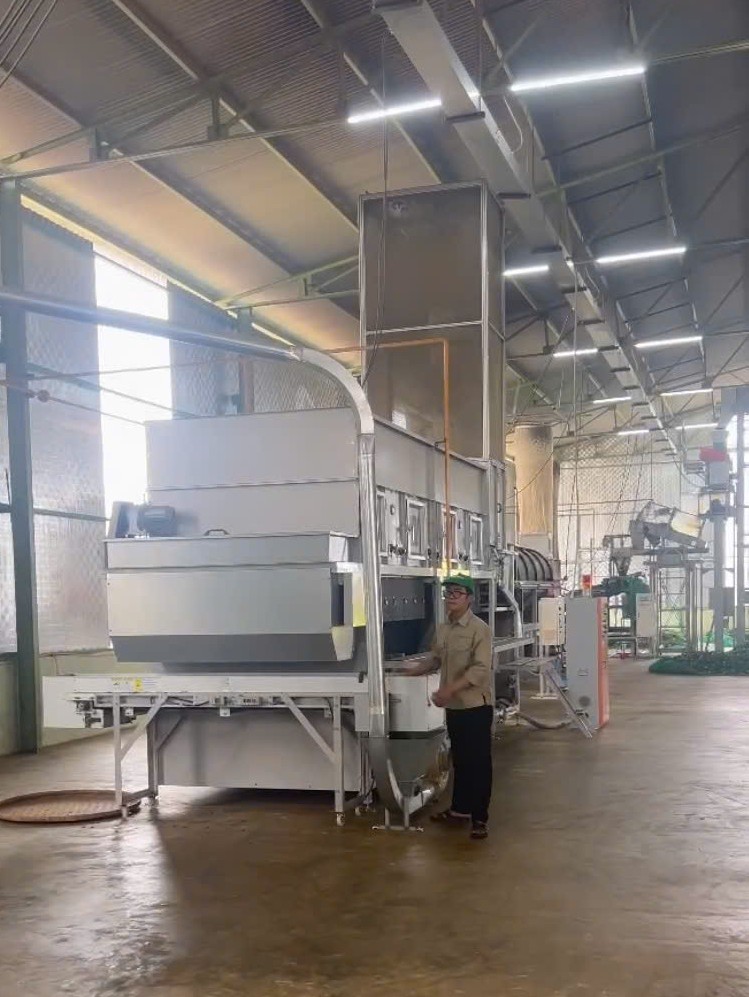

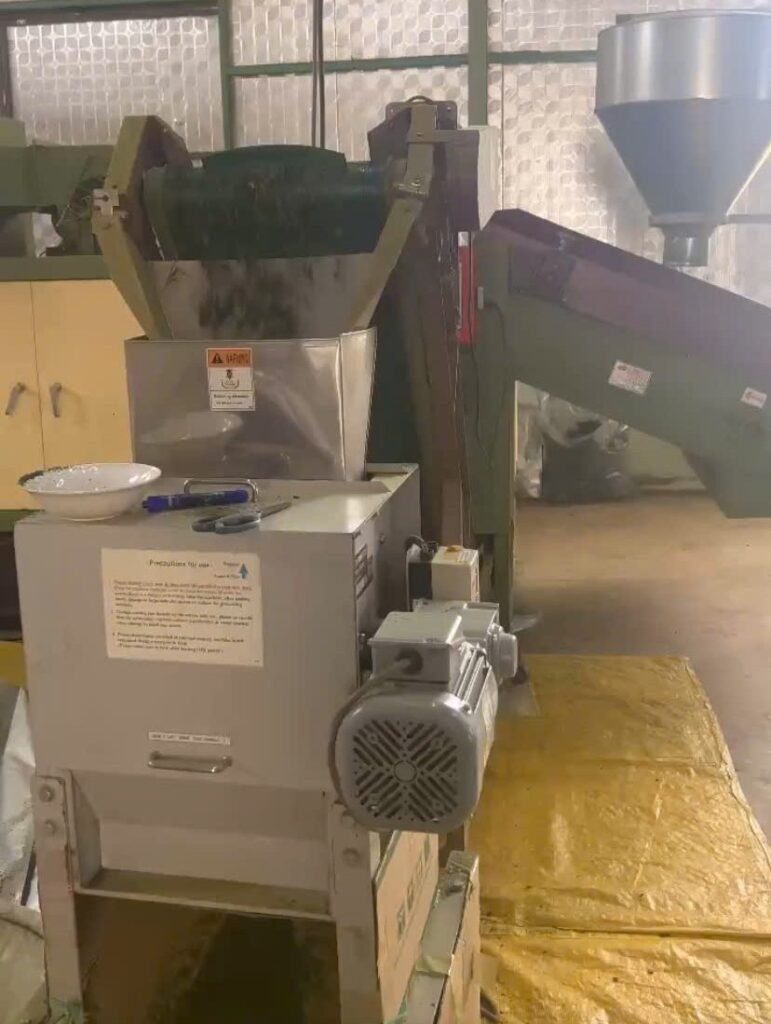
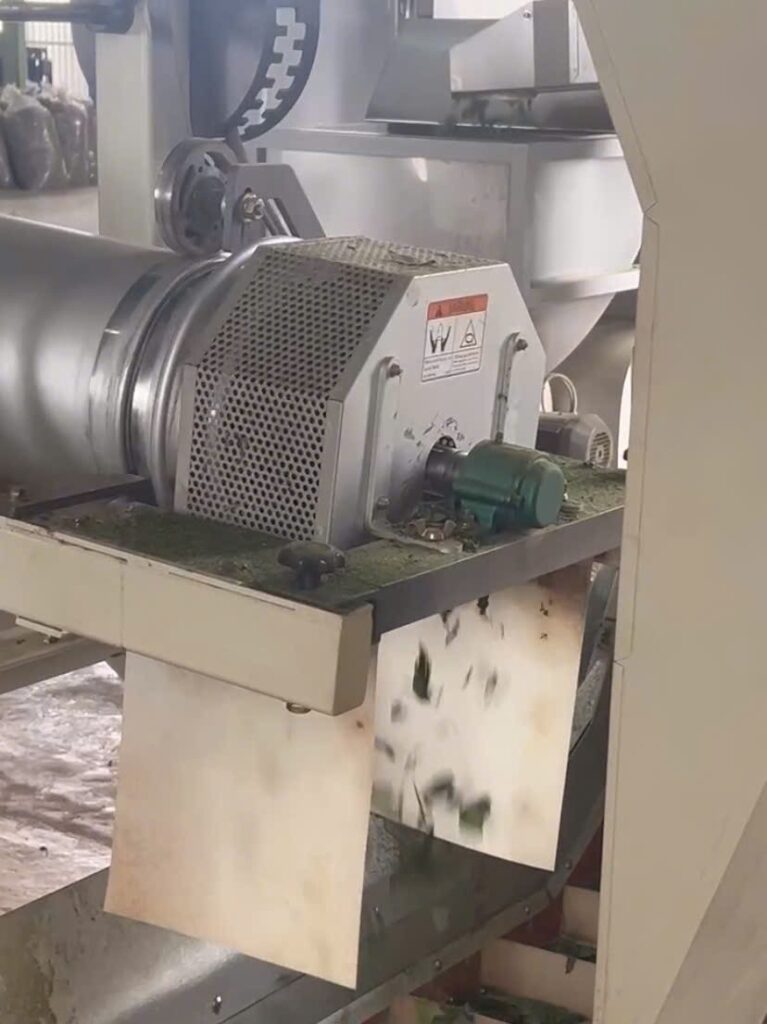
Tencha & Matcha Production Process
Step 1: Harvesting
About 15 to 20 days before harvest, tea gardens are shaded with black nets to block direct sunlight from reaching the tea buds and leaves. This shading period is crucial for enhancing the concentration of amino acids, especially theanine, which contributes to the umami flavor. Once the nets are removed, harvesting must be completed within 15 to 30 minutes to avoid exposure to direct sunlight that could alter the chemical composition of the leaves.
Step 2: Temporary Storage
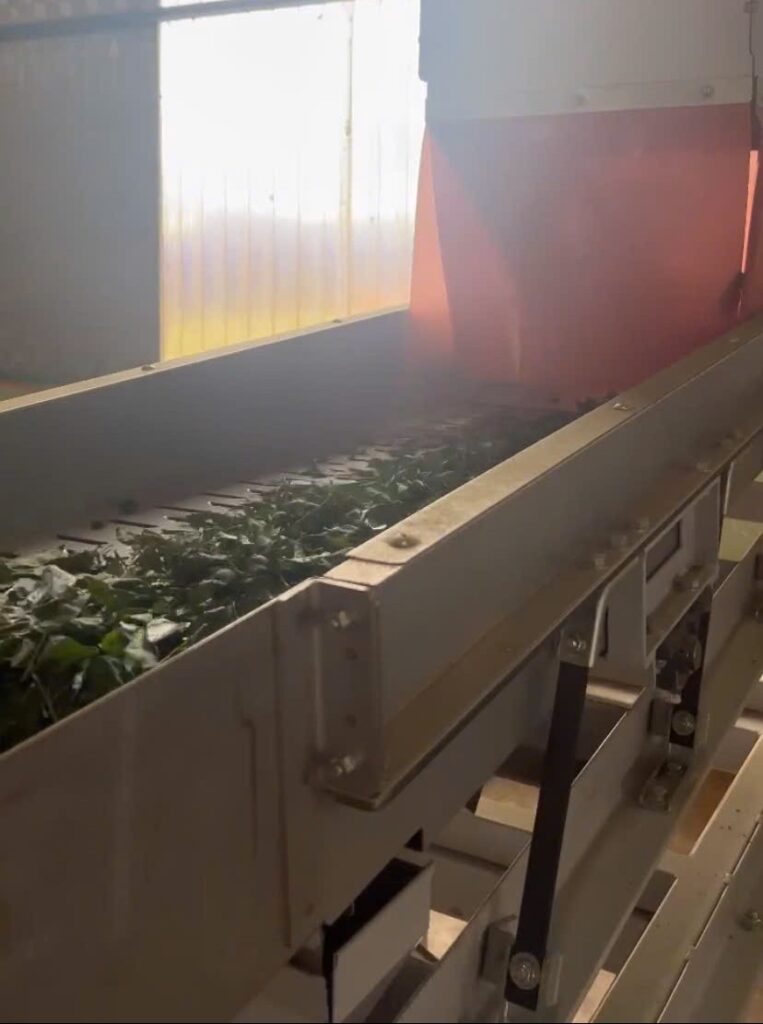
Freshly harvested tea leaves and buds are temporarily stored in a large, specialized tank with strong airflow to prevent fermentation and preserve freshness before further processing.
Step 3: Steaming
The leaves are quickly transferred to an automatic steaming machine. Steam is applied evenly across the entire surface of the tea leaves to halt enzymatic oxidation (fermentation) and to preserve the vibrant green color and natural aroma.
Step 4: Cooling
Immediately after steaming, the tea leaves are rapidly cooled using a cooling machine. This step prevents discoloration and helps maintain the characteristic bright green color of high-quality tea.
Step 5: Dewatering
A gentle rubbing process helps release surface moisture through slotted rollers. This step facilitates more efficient drying in the next stage.
Step 6: Primary Drying
The rubbed tea leaves are placed on a ventilated mesh conveyor and passed through a hot-air drying tunnel. Hot air circulates evenly, reducing moisture content while preserving the leaf’s green color and aroma.
Step 7: Sorting
After initial drying, the leaves are sorted to remove stems, midribs, and veins. Only the soft, flat parts of the leaves (the “leaf flesh”) are retained. This refined material is what becomes Tencha.
Step 8: Final Drying
The leaf flesh is further dried to reach the standard moisture content of less than 6.5%. At this stage, the dried and sorted leaf material is officially classified as Tencha – the raw material for Matcha.
Step 9: Crushing
Tencha is then coarsely crushed into uniform pieces according to production requirements. The particle size is adjusted based on the mesh used in the crushing machine, which prepares it for consistent grinding.
Step 10: Blending
The crushed Tencha is placed in a mixer and blended evenly for approximately 45 minutes. This ensures uniformity in flavor, moisture, and color across the entire batch.
Step 11: Fine Grinding
The blended Tencha is finely ground using a specialized Matcha grinding machine, such as a stone mill or industrial micronizer. The powder is then passed through a vibrating sieve to achieve a consistent particle size between 10μm and 15μm, the standard for premium Matcha.
Step 12: Checking
Final inspection involves detecting and removing any foreign materials or inconsistent particles. This step ensures that the Matcha meets quality standards in terms of texture, color, aroma, and safety.